How to Plan an Unforgettable Motorcycle Tour in India: Routes, Preparation and Travel Tips

India is a destination where every road tells a different story. From the colourful streets of Rajasthan to the winding mountain roads of the Himalayas, the country offers an incredible variety of landscapes, cultures and riding experiences. For motorcycle enthusiasts, travelling through India is more than simply reaching a destination. It is an opportunity to experience local traditions, discover hidden places and enjoy the freedom of the open road.
Planning a motorcycle tour in India requires more than choosing a motorcycle and deciding where to ride. Riders need to consider the route, weather, road conditions, accommodation, permits and safety arrangements. Whether you are an experienced adventure rider or planning your first long-distance motorcycle journey, proper preparation can make the experience more comfortable and enjoyable.
This guide explains how to plan a motorcycle tour in India, choose suitable destinations, prepare your motorcycle and make the most of your journey.
Why Choose India for a Motorcycle Tour?
India offers an extraordinary range of riding environments within one country. A single trip can include desert highways, forest roads, coastal routes, historic towns and high-altitude mountain passes. This diversity makes India an attractive destination for riders who want more than a conventional holiday.
The country also provides opportunities to experience different cultures along the way. A ride through Rajasthan introduces travellers to traditional architecture, historic forts, colourful markets and desert villages. Mountain journeys in northern India reveal dramatic valleys, remote settlements and spectacular Himalayan scenery.
Another reason to explore India by motorcycle is the flexibility it offers. Riders can stop at small roadside restaurants, visit local attractions, photograph landscapes and explore destinations that may be difficult to reach through conventional group sightseeing.
For travellers interested in organised adventures, a professionally planned Himalayan motorcycle tour can provide a structured route, accommodation arrangements and support throughout the journey.
Choose the Right Motorcycle Tour Destination
The first important decision is choosing a destination that matches your riding experience, available time and travel expectations. India has several excellent regions for motorcycle touring, but each offers a different type of adventure.
1. Rajasthan: Desert Roads and Historic Cities
Rajasthan is an excellent destination for riders who want to combine motorcycle travel with cultural exploration. Its landscapes include open highways, desert stretches, traditional villages and historic cities.
A route connecting Jaipur, Jodhpur, Jaisalmer and Udaipur offers a varied travel experience. Riders can explore magnificent forts, traditional markets, lakeside attractions and rural communities while enjoying long stretches of open road.
Rajasthan is also suitable for travellers who prefer a relatively relaxed motorcycle holiday rather than a demanding high-altitude expedition. The region has a wide range of accommodation options, restaurants and tourist facilities.
Travellers who want to extend their journey beyond motorcycle riding can also explore Best Rajasthan Tour Packages to discover more of the region's historic and cultural attractions.
2. Ladakh: An Adventure Through the High Himalayas
Ladakh is one of India's most recognised motorcycle touring destinations. Its dramatic mountain landscapes, high-altitude roads, monasteries and remote villages attract adventure riders from around the world.
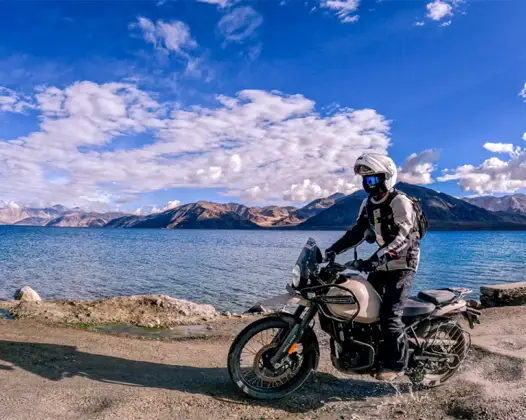
A journey through Leh, Nubra Valley, Pangong Lake and other surrounding regions can offer unforgettable scenery. However, riding in Ladakh requires careful preparation because of the altitude, changing weather and challenging road conditions.
Riders should allow sufficient time to acclimatise before attempting high-altitude routes. It is also important to understand local road conditions, fuel availability and any permit requirements that apply to the planned itinerary.
Those planning this type of expedition can explore a dedicated Leh ladakh Motorbike Trip to understand the possibilities of travelling through this remarkable region.
3. Himachal Pradesh: Valleys, Forests and Mountain Roads
Himachal Pradesh offers a rewarding combination of mountain scenery, peaceful towns and winding roads. Destinations such as Manali, Spiti Valley, Kullu and other Himalayan locations attract riders looking for a mix of adventure and natural beauty.
The region is particularly appealing to travellers who enjoy changing landscapes. A single journey may pass through green valleys, pine forests, riverside settlements and rugged mountain terrain.
Some routes are physically demanding and can be affected by landslides, snowfall or road maintenance. Riders should check local conditions before travelling and avoid treating estimated journey times as guaranteed.
4. Uttarakhand: A Scenic Journey Through the Garhwal and Kumaon Regions
Uttarakhand is another attractive destination for motorcycle enthusiasts. The state offers mountain roads, forested landscapes, traditional villages and access to several well-known Himalayan destinations.
Riders can explore routes around Rishikesh, Mussoorie, Tehri, Almora and other parts of the Garhwal and Kumaon regions. These journeys are ideal for travellers who want to experience mountain scenery while exploring local culture.
Some roads are narrow and include sharp turns, so maintaining a controlled speed is essential. Riders should also be prepared for sudden weather changes, especially during the monsoon and winter seasons.
Decide Between a Self-Guided and Organised Motorcycle Tour
Once you have selected a destination, decide how you want to travel. Both independent motorcycle journeys and organised tours have advantages, and the right choice depends on your experience and comfort level.
A self-guided trip gives riders greater freedom to select their route, accommodation and daily schedule. It can be suitable for experienced travellers who are comfortable navigating unfamiliar roads, arranging mechanical support and handling unexpected changes.
An organised motorcycle tour offers a more structured experience. Depending on the package, arrangements may include motorcycles, accommodation, route planning, experienced tour leaders, support vehicles and mechanical assistance.
For international travellers, organised tours can make planning easier because they reduce the need to coordinate every detail independently. They can also provide local knowledge about road conditions, regional customs and practical travel arrangements.
Before selecting a company, check its itinerary, inclusions, exclusions, motorcycle specifications, group size and emergency arrangements. You can also watch this tour operator in India video for an additional travel reference.
Select a Motorcycle That Matches Your Route
Choosing the right motorcycle is an important part of planning a successful journey. The ideal bike depends on the terrain, distance, luggage requirements and your personal riding experience.
Adventure motorcycles are popular for long-distance journeys because they generally offer an upright riding position, suitable suspension and practical luggage options. They can be useful on mixed road surfaces, although no motorcycle removes the need for careful riding.
For Rajasthan, a comfortable touring motorcycle can be suitable for long highway stretches and regular sightseeing stops. For Himalayan routes, riders should consider a motorcycle with appropriate ground clearance, manageable weight and enough performance for the planned terrain.
Before departure, inspect the tyres, brakes, chain, lights, suspension and engine fluids. Check that luggage is securely attached and does not affect the motorcycle's balance.
If you are renting a motorcycle, confirm its condition, insurance arrangements, rental terms and breakdown support. Take photographs of the motorcycle before accepting it and make sure you understand the procedure for reporting mechanical problems.
Prepare Your Documents Before Travelling
Documentation is particularly important for international riders. Requirements can vary according to nationality, licence category, vehicle type and current Indian regulations.
Foreign visitors should check the latest official requirements before travelling. In general, riders should investigate whether they need a valid motorcycle licence from their home country, an appropriate International Driving Permit, passport and visa documents, and suitable insurance.
An International Driving Permit should include the correct motorcycle entitlement where required. A permit intended only for cars should not be assumed to authorise motorcycle riding.
Keep digital and physical copies of important documents. Store them separately so that losing one copy does not leave you without access to essential information.
It is also important to check whether your travel or vehicle insurance covers motorcycle riding in India, the engine capacity of the rented motorcycle and the type of roads included in your itinerary.
Choose the Best Time for Your Motorcycle Adventure
Weather conditions can significantly affect a motorcycle tour in India. The best travel period depends on the region and the type of experience you want.
Rajasthan is generally more comfortable for motorcycle touring during the cooler months, particularly from October to March. Summer temperatures can become extremely high, making long daytime rides uncomfortable.
Himalayan destinations have different seasonal conditions. Many high-altitude routes are more accessible during the warmer months, although snowfall, road closures and changing weather can still affect travel plans.
The monsoon season requires additional caution in several parts of India. Heavy rain can reduce visibility, create slippery road surfaces and increase the risk of landslides in mountainous regions.
Before departure, check local weather forecasts and road advisories. Keep your itinerary flexible enough to accommodate delays caused by weather or road conditions.
Pack the Right Motorcycle Touring Equipment
Good riding equipment helps make long-distance travel safer and more comfortable. Riders should prepare clothing and accessories according to the destination, season and road conditions.
A properly fitted full-face helmet is essential. Protective riding gloves, jackets, trousers and sturdy motorcycle boots provide additional protection. For mountain journeys, consider waterproof layers and warm clothing because temperatures can change quickly with altitude.
Useful touring equipment may include:
A first-aid kit and personal medication.
Waterproof luggage and protective covers.
A phone with offline maps.
A power bank and charging cables.
A basic motorcycle tool kit.
Tyre repair equipment suitable for the motorcycle.
Drinking water and essential snacks.
Sunglasses and sunscreen.
Avoid carrying unnecessary luggage. Excessive weight can affect handling, especially on narrow mountain roads and uneven surfaces.
Plan Your Daily Riding Distance Carefully
A successful motorcycle tour is not a race. Riders should plan realistic daily distances and allow enough time for rest, sightseeing and unexpected delays.
A long highway journey may be manageable for an experienced rider, but the same distance on a winding mountain road can take considerably longer. Road quality, traffic, weather, elevation and local conditions all influence travel time.
Start riding early when possible, take regular breaks and avoid unnecessary night riding in unfamiliar areas. Mountain roads can become particularly challenging after dark because of limited visibility, sharp turns and unexpected obstacles.
It is also wise to keep at least one flexible day in a longer itinerary. This provides room for rest or changes caused by road closures and weather conditions.
Understand Local Culture and Responsible Travel
Motorcycle touring is an opportunity to experience destinations beyond their most famous attractions. Travellers should respect local communities, traditions and environmental conditions throughout the journey.
Dress appropriately when visiting religious places, ask permission before photographing people and follow local instructions at restricted or sensitive locations.
Avoid unnecessary horn use, littering and loud behaviour in villages and natural areas. Always follow local traffic regulations and respect other road users.
Responsible travel also means supporting local businesses where possible. Staying at locally operated accommodation, eating regional food and purchasing handmade products can help communities benefit from tourism.
Consider a Premium Motorcycle and Luxury Travel Experience
Not every motorcycle holiday needs to be an extremely demanding expedition. Some travellers prefer combining scenic riding with comfortable accommodation, cultural experiences and carefully planned sightseeing.
India offers opportunities to create a more premium travel experience, particularly in destinations such as Rajasthan and the Himalayan foothills. Travellers can combine motorcycle journeys with heritage hotels, private transfers, guided sightseeing and local experiences.
Those interested in a more comfortable holiday can also explore Luxury India Tour Packages for inspiration when planning a wider Indian travel experience.
The right balance between riding and relaxation depends on your travel style. Some riders enjoy challenging routes and simple accommodation, while others prefer shorter riding days with more time for sightseeing and comfort.
Why Local Tour Planning and Support Matter
Travelling through an unfamiliar country can involve challenges that are not always obvious during the initial planning stage. Language differences, changing road conditions, motorcycle maintenance and local travel requirements can affect the journey.
A knowledgeable local operator can help coordinate routes, accommodation and practical arrangements. Depending on the tour, support may include a tour leader, mechanic, backup vehicle and assistance with itinerary changes.
Before making a booking, examine the operator's experience, customer feedback, safety arrangements and written terms. Ask what happens if a motorcycle develops a mechanical problem or a route becomes inaccessible.
You can also use this best tour operator in India visual reference while exploring motorcycle touring options. Since this link opens an image directly, it is best treated as a visual reference rather than a booking or service page.
A well-planned journey should provide clear information about what is included, what riders need to arrange themselves and whom to contact during the tour.
Conclusion: Make Your Indian Motorcycle Journey Memorable
A motorcycle tour in India can be an unforgettable experience when the destination, route and preparation match your expectations. From the historic cities of Rajasthan to the dramatic landscapes of Ladakh, the country offers countless opportunities to discover new places on two wheels.
Take time to choose a suitable motorcycle, prepare the necessary documents, pack appropriate riding equipment and understand the conditions along your route. If you are unfamiliar with the destination, consider an organised tour with reliable local support.
Most importantly, ride responsibly and remain flexible. The best memories often come from the unexpected stops, conversations and landscapes encountered along the way. With thoughtful planning, your Indian motorcycle adventure can become much more than a holiday.
Frequently Asked Questions
1. Which is the best destination for a motorcycle tour in India?
Rajasthan, Ladakh, Himachal Pradesh and Uttarakhand are popular choices. Rajasthan is suitable for cultural journeys and desert landscapes, while Ladakh offers challenging high-altitude adventures.
2. What is the best time for a motorcycle tour in India?
The ideal season depends on the destination. October to March is generally suitable for Rajasthan, while many high-altitude Himalayan routes are more accessible during the warmer months.
3. Can foreigners ride motorcycles in India?
Foreign visitors should check current Indian licensing requirements before riding. They may need a valid home-country motorcycle licence and an International Driving Permit with the appropriate motorcycle entitlement.
4. Which motorcycle is best for touring in India?
The best motorcycle depends on the route and rider experience. Adventure and touring motorcycles are popular because they can offer comfort, luggage capacity and suitability for varied road conditions.
5. Is an organised motorcycle tour better than a self-guided trip?
An organised tour can be helpful for international visitors and riders unfamiliar with Indian roads. A self-guided trip offers more flexibility but requires greater independent planning.
6. How many days are required for a motorcycle tour in India?
A short regional trip may take three to five days, while longer journeys through Rajasthan or the Himalayas may require one to two weeks or more.
7. What should I pack for a motorcycle tour?
Pack a certified helmet, protective riding gear, gloves, boots, waterproof clothing, a first-aid kit, essential documents, a phone, offline maps and basic repair equipment.
8. Are Himalayan motorcycle tours suitable for beginners?
Some easier routes may suit riders with basic touring experience, but high-altitude expeditions and challenging mountain roads require confidence, preparation and suitable riding skills.
9. Is motorcycle rental available in India?
Motorcycle rentals are available in several popular tourist destinations. Before renting, check the motorcycle's condition, insurance, rental agreement and breakdown support.
10. Why should I choose a local motorcycle tour operator?
A reliable local operator may provide route knowledge, accommodation coordination, mechanical assistance and support during unexpected travel situations. Always verify the operator's experience and tour inclusions before booking.


Comments
Post a Comment